

Anjali Khanna, one of Envision’s experts in climate risk appraisals, explains what needs to be considered and the importance of taking action now.
Physical climate risk is becoming an increasingly material consideration in the construction and built environment industry. As climate change intensifies and extreme weather events become more frequent and severe, 60% of climate related risks that the UK faces have been classed as requiring the highest level of urgency (UKGBC, 2023). The UK is at risk of both acute or event-driven hazards such as storms and chronic risks which result from long-term shifts in climate such as heat stress. It is, therefore, critical to position climate resilience and adaptation at the forefront of decision-making and design to deliver resilient assets.
Recent modelling by the UK Green Building Council (UKGBC) predicts that up to 500,000 assets in the UK could be at risk from climate impacts by 2050 under a high emissions scenario. As buildings become increasingly vulnerable to climate risks such as overheating, flooding, and extreme weather, there is growing need to mitigate climate exposure and retrofit existing buildings that present both health and safety risks to occupants and risk of stranding before their end-of-life. While retrofitting is essential to improve the resilience of existing assets, it is often costly, disruptive, and constrained by the limitations of older structures. To reduce reliance on retrofits, developers should prioritise delivering long-term assets that can withstand and adapt to future climate, technological and regulatory changes.
The delivery of long-term, resilient, and future-proofed buildings requires developers to undertake early-stage physical climate risk assessments to understand the local context and potential exposure to their proposed development. A physical climate risk assessment involves identifying material climate risks, mapping these risks under a low and high emissions scenario, analysing risk exposure, and recommending adaptation measures to increase asset resilience. Through this analysis, design teams can determine how their asset should perform over its lifetime and incorporate measures for durability, resilience, disassembly, and maintenance.
While the visible impacts of physical climate risks are increasing, transition risks are also emerging and becoming financially material for organisations and investors, especially when benchmarking against CRREM. These are risks stem from policy, regulatory, and market shifts associated with the transition to a low-carbon economy. Regulatory changes related to building efficiency, energy performance standards and carbon reporting may lead to stranded assets among older building stock. Climate risk impacts result in asset damage, operational disruption, supply chain vulnerability and increased insurance and financing costs. This is driving the need for climate risk assessments to meet regulatory compliance, investor expectations, and market pressures.
Global reporting frameworks, such as the International Sustainability Standards Board (ISSB), have introduced reporting standards, IFRS S1 and IFRS S2 to improve transparency and encourage investor-focused reporting. IFRS S2 (Climate-related Disclosures) requires organisations to assess and disclose their exposure to material climate-related risks and opportunities (physical and transition) that may impact their financial condition, their governance process and strategy to manage climate-related risks and progress towards climate-related targets. Climate resilience is also increasingly incorporated into ESG accreditations and industry building standards, such as GRESB, BREEAM, LEED and the WELL Standard.
There is growing progress towards climate resilience in the built environment, with asset owners performing physical risk assessments on their assets and developers and design teams beginning to design for climate adaptation and resilience. However, this progress is insufficient compared to the pace of climate change. Further change is needed to prioritise climate resilience and deliver scalable, widespread action as defined in the UKGBC Climate Resilience Roadmap to achieve a climate resilient built environment by 2050.
Envision can support you in undertaking portfolio-level climate risk and resilience reviews or asset-level climate risk appraisals. If you would like support with undertaking climate resilience analysis, please get in touch at contact@envisioneco.com.
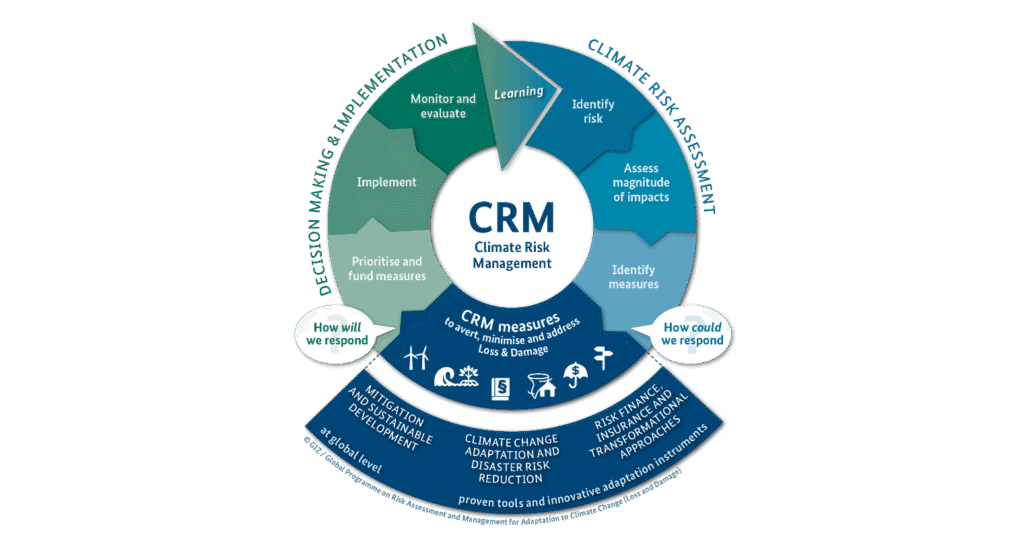
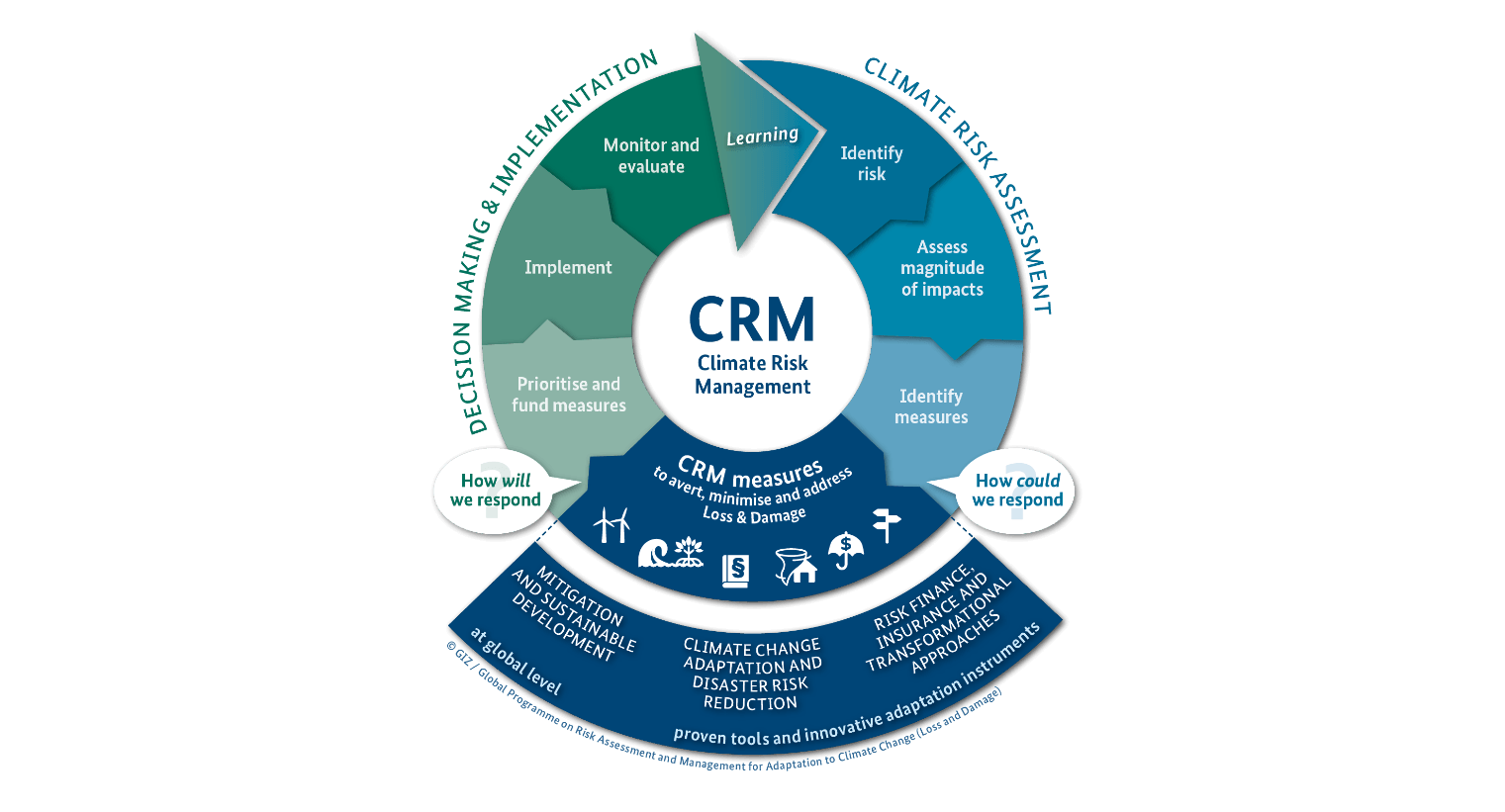
Source: GIZ Global Programme on Risk Assessment and Management for Adaptation to Climate Change (Loss and Damage)
Other Articles

July 21, 2026
Using CRREM Analysis to Manage Real Estate Transition Risk
Real estate owners are facing increasing pressure from regulators, lenders, and occupiers to align their portfolios with…
July 16, 2026
BRE launches new BREEAM Refurbishment and Fit Out v7 Guidance
Following the launch of BREEAM New Construction v7, the long awaited update to the BREEAM Refurbishment and…

July 14, 2026
Why Thermal Comfort Matters in Building Design
This is the first in a series of posts from Envision exploring what shapes thermal comfort in…